Flock Around – How to Capture Rare Birds and Master Advanced Wildlife Photography
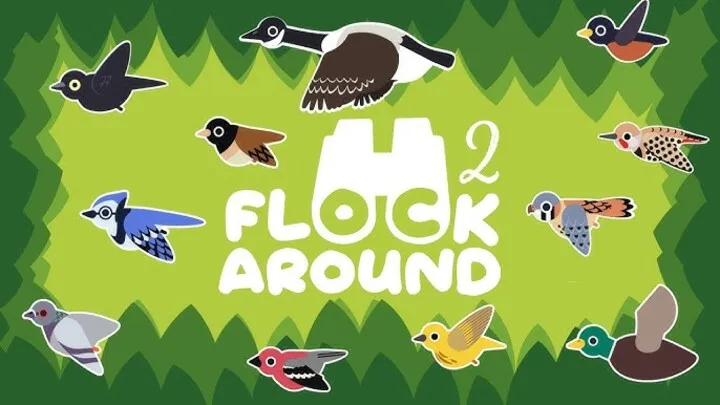
In Flock Around, taking beautiful wildlife photographs is not simply a side activity—it is the foundation of the entire experience. Developed by Secret Plan Games, the game transforms birdwatching into a highly detailed observational system where patience, environmental awareness, timing, and positioning determine success. Many players quickly realize that casual exploration is enough for common sightings, but capturing truly rare species or perfect behavioral shots requires a far deeper understanding of the game’s ecological systems.
Unlike traditional photography games where targets wait passively for the player, birds in Flock Around behave dynamically. Weather shifts alter migration patterns, lighting changes visibility, environmental noise affects animal behavior, and flock movement constantly evolves across the world. A perfect photograph may only be available for a few seconds before conditions change entirely.
This guide focuses specifically on how to capture rare birds and master advanced wildlife photography systems. Rather than giving surface-level beginner advice, this article explores the deeper mechanics behind observation, positioning, environmental prediction, seasonal migration, and photographic timing. By understanding how the ecosystem functions as a living system, players can consistently locate uncommon species and create exceptional wildlife photographs throughout the game.
Understanding How Bird Behavior Works
Birds React Dynamically to the Environment
One of the most important things to understand in Flock Around is that birds are not static collectibles. Every species reacts differently to:
- Time of day
- Weather conditions
- Player movement
- Environmental sound
- Nearby flock activity
Because of this, photography success depends on observation rather than luck.
Why Behavior Knowledge Matters
Rare birds often appear only under specific conditions. Players who simply wander randomly may never encounter them consistently.
Understanding behavioral systems allows players to predict:
- Feeding periods
- Resting zones
- Migration timing
- Flight path patterns
Photography becomes far easier once bird behavior feels readable instead of random.
Beginner Observation Checklist
- Watch movement before approaching
- Learn species-specific routines
- Avoid rushing into photography zones
Patience creates better opportunities than constant movement.
Learning Environmental Awareness Early
The Environment Controls Bird Activity
Every region in the game functions as part of a larger ecosystem. Wetlands, forests, mountains, and coastal areas support completely different bird populations.
Environmental conditions influence:
- Species density
- Nesting behavior
- Feeding movement
- Migration activity
Reading Environmental Clues
Experienced players learn to identify bird presence indirectly through:
- Distant calls
- Feather trails
- Disturbed vegetation
- Flock shadows overhead
Environmental Awareness Strategy
Before taking photographs:
- Stop moving temporarily
- Listen carefully
- Scan terrain edges
- Observe weather conditions
The strongest photographers study the environment first and use the camera second.
Mastering Stealth and Quiet Movement
Why Movement Discipline Is Essential
Rare species are highly sensitive to player behavior. Loud or erratic movement can scare birds away instantly.
Common mistakes include:
- Sprinting near observation areas
- Approaching directly from open terrain
- Changing direction too aggressively
Controlled Approach Techniques
To stay undetected:
- Move slowly near nesting zones
- Use environmental cover naturally
- Maintain steady movement patterns
Stealth Checklist
- Approach from downwind if possible
- Avoid silhouetting yourself on open hills
- Stop moving when birds appear nervous
Wildlife photography in Flock Around rewards calmness over speed.
Understanding Time-of-Day Photography Cycles

Bird Activity Changes Constantly
Different species become active during different periods of the day.
Examples include:
- Dawn feeding activity
- Midday resting periods
- Evening migration movement
- Nocturnal hunting behavior
Why Timing Creates Better Photographs
Lighting and bird behavior combine to create ideal conditions during specific hours.
Early morning often provides:
- Softer lighting
- Higher bird density
- Calm environmental movement
Daily Photography Cycle Strategy
Strong players structure exploration around timing:
- Morning → feeding and active behavior
- Afternoon → environmental scouting
- Evening → migration photography
- Night → rare nocturnal sightings
Timing dramatically improves rare encounter frequency.
Weather Systems and Rare Bird Encounters
Weather Directly Alters Bird Behavior
Dynamic weather is one of the game’s most important systems.
Conditions affect:
- Flight altitude
- Feeding zones
- Flock density
- Species migration routes
Rare Birds Often Require Specific Conditions
Some uncommon species only appear during:
- Heavy rain
- Fog conditions
- Storm transitions
- Calm post-rain environments
Weather Tracking Tips
- Revisit regions during changing weather
- Use storms to track migration shifts
- Observe wind direction carefully
Weather transforms familiar locations into entirely new photography opportunities.
Positioning for Natural Wildlife Shots
Why Positioning Matters More Than Camera Quality
Even the best equipment cannot compensate for poor positioning.
Good positioning affects:
- Framing quality
- Bird comfort
- Natural behavior visibility
Building Better Observation Angles
Strong photography positions usually include:
- Partial environmental cover
- Wide sightlines
- Minimal visual obstruction
Positioning Strategy
- Avoid standing directly in flight paths
- Stay slightly elevated when possible
- Keep distance consistent during observation
The goal is to observe without influencing behavior.
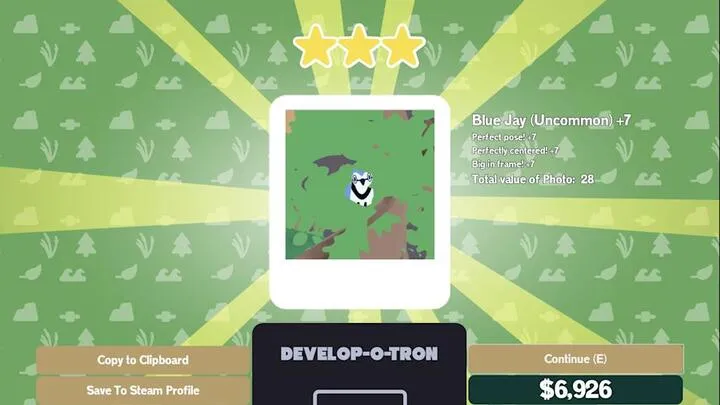
Capturing Dynamic Flock Movement
Flock Photography Requires Prediction
Photographing individual birds is easier than capturing entire flocks naturally.
Flocks move dynamically based on:
- Predator awareness
- Environmental changes
- Internal movement patterns
Reading Flock Momentum
Before photographing:
- Observe directional flow
- Watch spacing between birds
- Predict formation changes
Advanced Flock Photography Checklist
- Anticipate turns before they happen
- Use wider framing for motion shots
- Wait for synchronized movement moments
The best flock photos capture rhythm rather than chaos.
Finding and Photographing Rare Species
Rare Species Follow Hidden Ecological Rules
Rare birds are not randomly distributed. Their appearances depend on interconnected systems such as:
- Seasonal migration
- Habitat quality
- Weather cycles
- Human disturbance levels
Building Rare Encounter Consistency
To consistently locate uncommon birds:
- Revisit known habitats frequently
- Observe migration timing patterns
- Learn species-specific environmental preferences
Rare Bird Tracking Strategy
- Keep mental notes of sightings
- Track recurring weather conditions
- Return during matching environmental states
Persistence matters more than luck.
Advanced Camera Timing and Behavioral Photography
Great Wildlife Photos Capture Behavior
The strongest photographs are not static portraits. They capture moments of natural action such as:
- Hunting
- Feeding
- Nesting
- Flight takeoff
Timing Is More Important Than Reaction Speed
Experienced players anticipate movement before it happens.
This includes recognizing:
- Pre-flight body posture
- Feeding preparation
- Alarm reactions within flocks
Behavioral Photography Tips
- Observe patterns before shooting
- Wait for meaningful interaction moments
- Prioritize storytelling over simple visibility
The best photos feel alive because they capture behavior naturally.
Late-Game Photography Mastery

High-Level Photography Becomes Ecological Understanding
Advanced players stop chasing random sightings and begin understanding the ecosystem as a connected system.
They learn to predict:
- Migration flow
- Seasonal population changes
- Rare species overlap zones
Integrating All Photography Systems
Late-game mastery combines:
- Environmental reading
- Movement discipline
- Timing precision
- Ecological awareness
Final Mastery Checklist
- Minimal environmental disruption
- Efficient location planning
- Strong timing awareness
- Deep understanding of species behavior
This transforms photography from simple collection into true wildlife observation.
Conclusion
Flock Around succeeds because it treats wildlife photography as an immersive ecological experience rather than a checklist mechanic. Through dynamic bird behavior, environmental realism, migration systems, and advanced observation mechanics, the game creates a world where patience and awareness matter more than speed or equipment alone.
Mastering photography requires players to think like observers rather than hunters. Every successful photograph emerges from understanding the relationship between weather, terrain, timing, flock movement, and species behavior. The game rewards those who slow down, study the environment carefully, and allow nature to unfold naturally.
Ultimately, Flock Around transforms virtual birdwatching into something emotionally engaging and strategically deep. By mastering rare species tracking, positioning, timing, and environmental prediction, players can experience the game not just as photographers, but as true wildlife observers participating in a living ecosystem.