Introduction
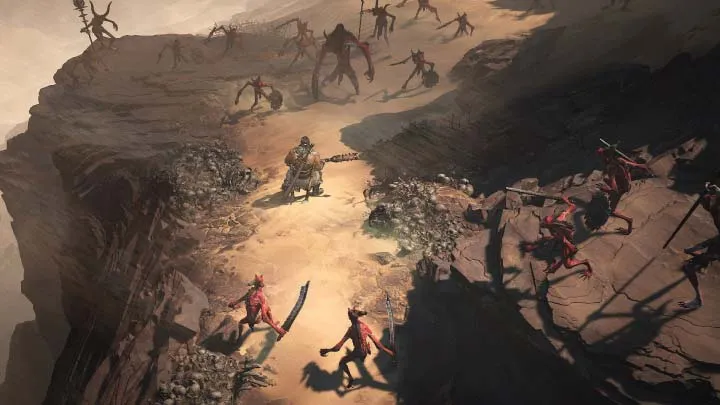
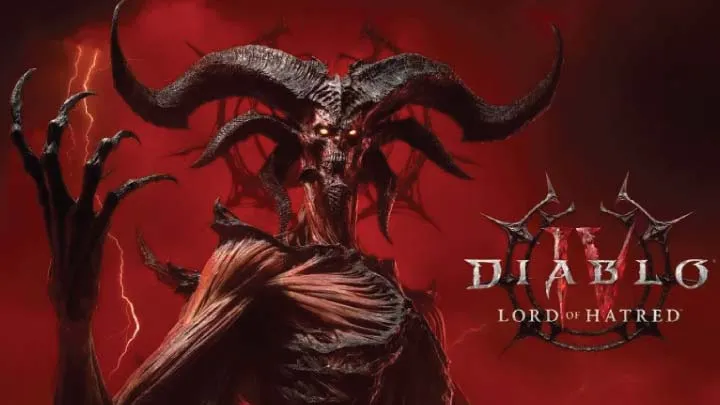
Diablo IV marks a return to the franchise's darker roots, weaving an intricate narrative that explores the themes of morality, choice, and consequence in the haunted world of Sanctuary. This installment immerses players in a richly detailed landscape filled with lore that exposes the struggle between light and dark. Central to the game is the character of Lilith, the Daughter of Hatred, whose reintroduction adds a layer of complexity to the moral landscape. This article will delve deeply into the issue of morality within Diablo IV, examining how choices made by players and characters resonate throughout the game, shaping their experiences and the world around them.
The Return of Lilith: A New Antagonist
The Significance of Lilith
In Diablo IV, Lilith emerges as a primary antagonist who embodies complex moral dilemmas. Unlike previous villains, her motivations are steeped in tragedy as well as darkness.
- Her Origins: Lilith is not simply the embodiment of evil; her backstory is rooted in love, loss, and betrayal. As both a mother and a being created for war, players find themselves grappling with her dual identity.
- The Mother of Sanctuary: Lilith's maternal instincts towards humanity complicate her character. While she seeks their worship, she also represents the darker aspects of free will and individuality.
Morality in Conflict
Lilith’s presence amplifies moral conflicts within the game, igniting a struggle not only against her but also within the player.
- Choice vs. Consequence: Players are often placed in situations where their choices impact not just the immediate outcome but also the larger narrative arc involving Lilith.
- Ethical Gray Areas: Decisions made in pursuit of defeating Lilith force players to confront their own ethical boundaries. Allies may fall by the wayside as sacrificial choices become necessary.
The Players' Journey: Choosing Paths of Light and Dark
Player Choices: A Depth of Agency
Diablo IV offers players a vast array of choices that influence the storyline, character interactions, and ultimately their moral standing in the game.
- Branching Narratives: Each character class brings different story arcs and decisions, affecting how they interact with the forces of light and dark.
- Moral Dilemmas: Players often face morally ambiguous situations that force them to weigh immediate gains against potential long-term consequences.
Character Development
As players navigate their moral choices, their characters develop in unique ways that reflect their decisions.
- Reputation System: Players may find their character viewed differently by NPCs depending on the path they choose—those who commit darker deeds might gain power but lose allies, while those aligned with light could find support but face tougher challenges.
- Personal Reflection: The journey becomes more than just a struggle against demons; it becomes a reflection of each player’s moral compass. The game prompts players to consider what it means to be a hero, or whether true heroism lies somewhere in-between.
The Sanctuary of Choices: Environments and Moral Implications
A World Steeped in Conflict
The environments of Diablo IV serve as more than mere backdrops; they are integral to the game’s exploration of morality.
- Contrasting Regions: Areas of Sanctuary are divided between the light and dark, from the serene vistas of the High Heavens to the grotesque horrors of Hell. This architecture directly influences players’ choices and interactions.
- Lore Embedded in Landscapes: Each environment is filled with lore that speaks to the historical conflict between the forces of light and darkness, offering context for players’ actions.
Dynamic Interactions
Players will encounter various NPCs and factions, each with their own beliefs and moral standings.
- Quest Design: Quests often hinge upon players making ethical decisions, such as deciding whether to help a town plagued by demons at the expense of power or resources.
- Faction Alignment: These interactions may push players to ally with morally complex factions, further embedding them in the rich tapestry of the game’s narrative.
The Nature of Evil: Understanding the Depth of Darkness
Shades of Gray: Evil as a Construct
Diablo IV explores the concept of evil not as a binary opposition but as a spectrum of human emotion and ambition.
- Motivations Behind Evil: Characters like Lilith challenge the notion that evil is merely destructive; her actions, while heinous, are grounded in her vision for humanity.
- Ambiguity of Villainy: Other characters, such as the Horadrim, also wrestle with the morality of their choices. Their paths intersect with Lilith’s, and players must contend with conflicting motivations.
Personal Darkness
The game also delves into the personal darkness of characters, including the player’s.
- Inner Demons: Each character faces their inner demons, often represented through choices that reveal their vulnerabilities and fears.
- Transformative Journeys: Decisions can lead to personal transformations, showcasing how one’s path can redefine their identity.
The Role of Community: Collective Morality
Shared Experiences
Diablo IV supports a shared online world, emphasizing the community aspect of moral choices.
- Collaborative Play: Players can join forces but must also navigate the consequences of their collective actions. Decisions made by one player can affect not only their character but the wider game environment.
- Community Morality: As players band together or pursue individual agendas, the moral fabric of the game world adjusts. The shared journey adds another layer of complexity to player decision-making.
Impact on Gameplay
The community's collective morality can directly affect the gameplay experience, leading to dynamic encounters.
- Event Outcomes: Large-scale events can hinge on community-wide decisions, introducing an unpredictable element to the flow of gameplay and narrative.
- Consequences of Harm: Players who act selfishly may find themselves ostracized or hunted by other players, creating a shared moral dilemma that enriches the player experience.
Redemption and Forgiveness: Seeking Light in Darkness
Themes of Redemption
Within the tragic narrative arcs, Diablo IV presents opportunities for redemption.
- Character Arcs: Characters who may seem irredeemable at first glance reveal potential for growth through player choices. Their arcs often hinge on the player’s willingness to pursue paths of forgiveness.
- Mending Fences: Players have the option to influence NPCs toward redemption, demonstrating that moral choices can extend beyond the individual.
Moral Reflection
The game encourages players to reflect on their actions, emphasizing growth rather than punishment.
- Consequences and Forgiveness: Opportunities to mend relationships arise, prompting players to consider the value of forgiveness and the possibility of redemption within their narrative experience.
- Player Impact: The choices players make can lead to shifts in the moral landscape of Sanctuary, reinforcing the interconnectedness of decisions.
Dark Consequences: The Cost of Choices
Unintended Outcomes
Every choice in Diablo IV carries consequences, some of which may be unforeseen.
- Ripple Effects: Minor decisions may lead to major consequences, impacting characters, quests, or even the landscape of Sanctuary itself.
- Emotional Weight: The narrative highlights the emotional weight of these decisions, challenging players to think critically about their actions and engage with the storyline on a deeper level.
Moral Dilemmas in Combat
The game also integrates moral dilemmas into combat, where players are forced to ponder their choices mid-battle.
- Collateral Damage: Engaging in battles can often have collateral damage that may affect innocent NPCs or communities, forcing players to grapple with the morality of their actions in the heat of combat.
- Choices Under Pressure: Players must navigate these high-stakes scenarios, pushing them to reconsider their tactics based on moral implications rather than just win conditions.
The Closing Chapter: Final Reflections on Morality
The Legacy of Choices
As Diablo IV progresses, the culmination of player choices shapes the enduring legacy of their journey.
- Final Confrontations: The endgame scenarios force players to confront the full impact of their decisions, intertwining personal struggles with larger cosmic battles.
- Endings That Matter: Depending on the paths taken, players may experience different resolutions that reflect their moral standings throughout the game.
Continuing the Cycle of Morality
The themes explored in Diablo IV echo throughout the franchise, offering insights into the ongoing struggle between light and dark.
- Legacy of Sanctuary: The ongoing conflict suggests that the struggle with morality is perpetual, resonating with players long after they’ve put down the controller.
- Anticipating the Future: With the legacy of moral choices firmly established in Diablo IV, players eagerly anticipate how these themes will evolve in future installments of the series.
Conclusion
Diablo IV masterfully weaves a narrative rich with moral complexity and choice, challenging players to reflect on their actions and the implications they carry within the world of Sanctuary. The intricacies of characters such as Lilith and the overarching themes of redemption and consequence create a compelling tapestry of storytelling that invites deeper engagement. The game pushes players to confront their moral compasses, ensuring that each decision resonates through the gameplay experience. Ultimately, Diablo IV stands as a testament to the franchise’s ability to evolve while retaining the core essence of its dark narrative—a thrilling exploration of choice, consequence, and the eternal battle between light and darkness.