


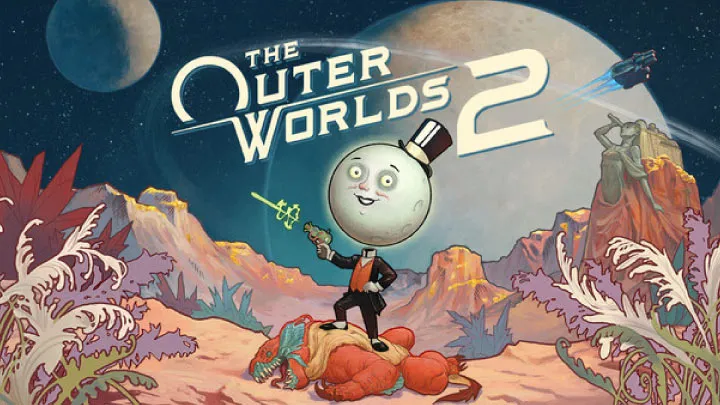
The Outer Worlds 2, the much-anticipated sequel to Obsidian Entertainment’s original RPG, continues to capture the imagination of players with its unique blend of humor, science fiction, and rich storytelling. Building on the foundation of its predecessor, it promises an expansive universe filled with choices that affect outcomes. However, one significant issue that players and critics alike are concerned about is the challenge of maintaining player agency within a tight narrative framework. This article explores this issue in depth, analyzing how player choices shape the experience, the potential pitfalls of linear storytelling, and the need for a more dynamic narrative structure.
Introduction to The Outer Worlds 2
Setting the Scene
Released in 2026, The Outer Worlds 2 immerses players in a vibrant, satirical universe where capitalism runs rampant in a retro-futuristic setting. Players take on the role of a customizable protagonist, navigating a series of interconnected narratives that blend action, humor, and ethical dilemmas. The game expands upon its predecessor's lore, diving deeper into the social commentary that resonated with players through its exploration of corporate greed, identity, and morality.
The Vision of Player Agency
One of the standout features of The Outer Worlds was its emphasis on player agency—the ability for players to make choices that shape the story and the world around them. In The Outer Worlds 2, preserving this sense of agency is paramount, but balancing it with a coherent, engaging narrative poses significant challenges. Players expect that their decisions will carry weight, but this can be complicated by issues surrounding character development, pacing, and overarching plots.
The Concept of Player Agency in RPGs
Understanding Choice and Consequence
Player agency in role-playing games (RPGs) is a crucial element that defines player experience. Choices range from seemingly minor decisions to major actions that impact the game's world and narrative. In The Outer Worlds 2, players expect that their choices will lead to varied outcomes—altering relationships with characters, affecting story arcs, and even changing the game world itself.
- Narrative Branching: Effective player agency relies on well-crafted branching narratives where choices visibly affect the game world.
- Character Relationships: How relationships with companions and NPCs evolve based on player choices adds layers to the narrative depth and investment.
The Balance of Freedom and Narrative Cohesion
While player agency is essential, it is vital to balance this freedom with a coherent narrative structure. The risk lies in branching too far into player choice without adequately maintaining the narrative’s focus. If choices lead to disparate outcomes that feel disconnected, players may feel lost, diminishing their sense of investment in the story.
Challenges of Maintaining Agency
The Trap of Linear Storytelling
One of the critical pitfalls lying ahead for The Outer Worlds 2 is the potential to fall into the trap of linear storytelling. While players appreciate a compelling narrative, forcing them down a narrow path can limit their ability to feel genuinely involved in their characters' journeys.
Misaligned Player Expectations
Players come to RPGs with certain expectations regarding how their choices will impact the narrative. If The Outer Worlds 2 does not deliver on the promise of consequences, frustration may arise. Players might feel that their actions are inconsequential, undermining the game's core theme of agency.
Fragmentation of Narrative Threads
With the expansion of narrative options, the risk of fragmentation increases. If the game branches into countless pathways without a strong unifying theme, it may confuse players and weaken the story's overall impact. Balancing pathways with a sense of coherence is vital for maintaining player engagement.
The Mechanics of Choice in The Outer Worlds 2
Deepening the Dialogue System
The dialogue system in The Outer Worlds was lauded for its depth and humor. In The Outer Worlds 2, enhancing this system is crucial for reinforcing player agency. Allowing players to craft responses that align with their character's motivations can create a more immersive experience.
- Multiple Dialogue Outcomes: Each choice should lead to significantly different responses from NPCs, creating feeling and consequences.
- Character Skills and Attributes Influence: Implementing character skills that affect dialogue options can create organic variations in how players navigate conversations.
Consequences of Choices
A focused approach to consequences is essential. Players should see the direct effects of their choices—both immediate and long-term. This can be addressed in several ways:
- Immediate Reactions: NPC behavior changes immediately after critical choices.
- Long-term Outcomes: Decisions affecting the world state in later stages of the game.
- Companion Dynamics: Relationships with companions evolve based on player choices, influencing story arcs and gameplay.
Reinforcing Player Identity
Creating a strong sense of player identity through choices can enhance immersion. Players might feel more connected to their character if choices reflect their values, motivations, and moral frameworks.
- Moral Ambiguity: Introducing morally grey choices encourages players to think deeply about their actions, reinforcing the thematic richness.
- Character Backstories: Allowing players to tailor their character backstories offers a personalization aspect that intertwines with agency.
Expanding on Narrative Complexity
Layered Storytelling
The Outer Worlds 2 must incorporate layered storytelling that balances the main narrative with subplots and side quests. This structure allows players to engage with the world on multiple levels, encouraging exploration without diluting the central narrative.
- Subplots with Depth: Creating meaningful side quests that tie back into the main narrative can help maintain cohesion.
- Area-Specific Stories: Each area can have its unique stories that contribute to the larger narrative, enriching player experience.
Fostering a Living World
A truly immersive RPG features a world that responds and evolves to player actions. In The Outer Worlds 2, developing a living world where actions have visible consequences can enhance player agency.
- Dynamic World Events: Introducing events that players can influence directly fosters a sense of impact on the game world.
- NPC Reactions: NPCs that react to the player's choices and actions can create a responsive environment that feels alive.
Engaging Community Feedback
Building a Relationship with the Community
Player engagement doesn’t end at the game’s release. Developers must foster a relationship with the community through feedback and continuous updates. Platforms like forums, social media, and surveys can be invaluable in understanding player sentiment and expectations.
Iterating on Player Feedback
Using community feedback to iterate on gameplay mechanics and narrative structures can strengthen engagement. If players express concerns about linear storytelling or the effectiveness of choices, developers should consider these insights for future patches or downloadable content.
Transparency in Development
Keeping the audience informed about development decisions and changes based on community feedback builds trust. Developers can share their vision for player agency and narrative balance, allowing players to understand how their input shapes the game.
Future Directions for Player Agency
Emphasizing Freedom without Losing Focus
Moving forward, The Outer Worlds 2 must aim to strike a balance between freedom and narrative focus. Ensuring that players feel their choices have weight while maintaining a coherent storyline will be crucial.
- Modular Narrative Structures: Design modular narrative elements that allow for integration of player choices without losing the core storyline.
- Standardized Outcomes: Create a system where player choices guide the narrative while still leading to a unified conclusion.
Innovative Game Mechanics
Exploring new mechanics that reinforce player agency can enhance immersion. For instance, incorporating systems that allow players to craft alliances or rivalries based on choices can enrich the experience.
The Ongoing Commitment to Agency
Ultimately, The Outer Worlds 2 must remain committed to fostering a sense of agency throughout its narrative arc. Developing engaging characters and stories while offering players meaningful choices will facilitate an enriching RPG experience that resonates with a wide array of players.
Conclusion
The Outer Worlds 2 embodies the ambition to create a richly detailed narrative experience while providing players with meaningful agency. Navigating the challenges of maintaining player agency within a structured storyline is crucial for ensuring both engagement and satisfaction. By focusing on deepening dialogue systems, reinforcing consequences, and fostering community engagement, the developers can create a game that resonates with players long after they complete it. As the franchise continues to evolve, a commitment to balancing freedom with storytelling will ultimately define its lasting legacy