.webp) looth5.com
looth5.comHow to Clean Up the Witch’s Cabin in Witch Cabin Cleanup: A Complete Step-by-Step Guide
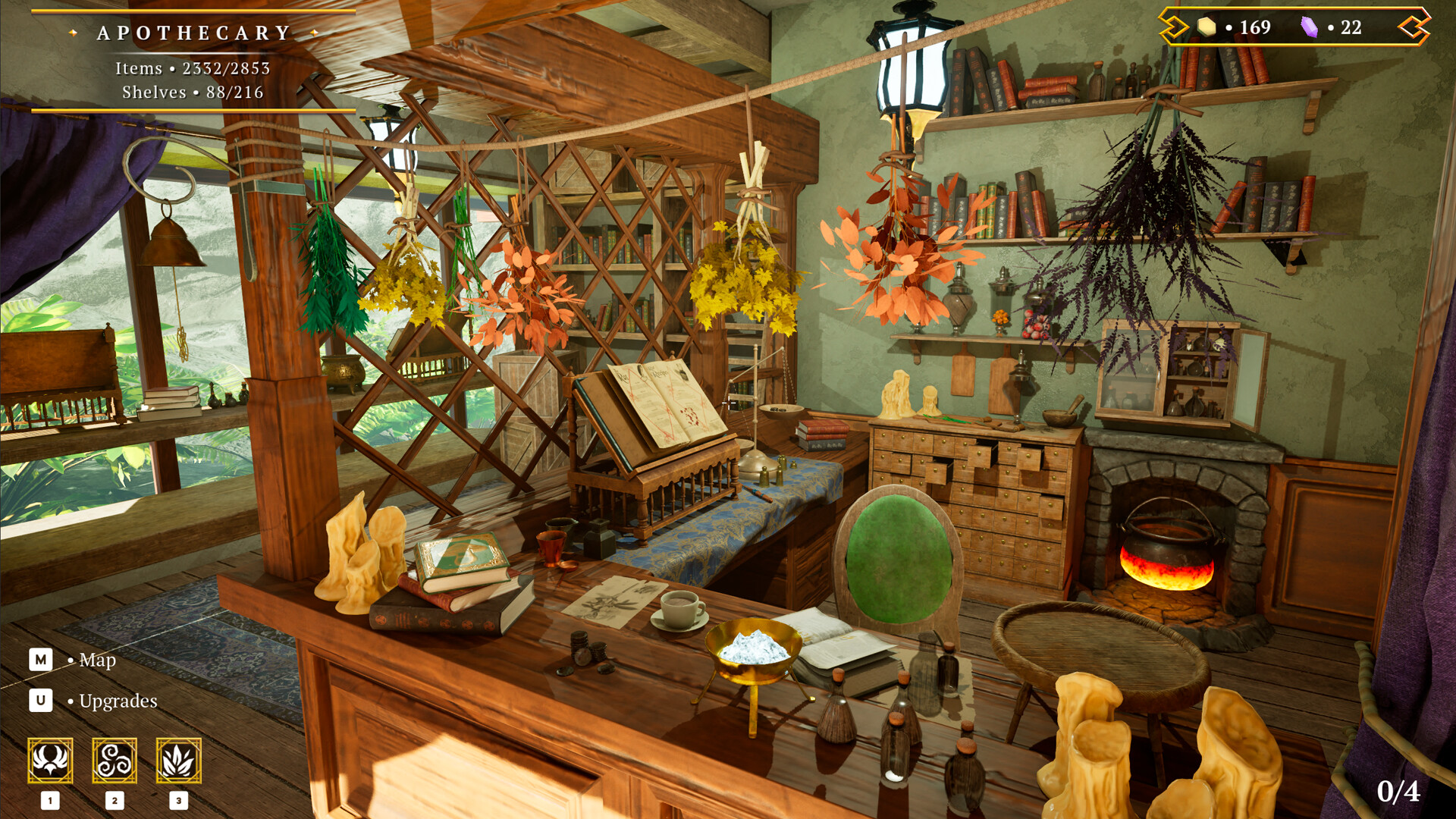
Witch Cabin Cleanup is a themed cleaning game that centers on restoring a messy cabin filled with dirt, scattered objects, magical decorations, and neglected household spaces. The main objective of a cleanup challenge is to transform a cluttered environment into a clean, organized, and comfortable place. Although the setting may include mysterious witchcraft elements, the basic principles of successful cleaning remain familiar: inspect the room, identify the mess, collect scattered objects, remove dirt, and return everything to its proper place.
Learning how to approach Witch Cabin Cleanup systematically can make the experience more enjoyable and efficient. Instead of moving randomly between different areas, players can establish a clear order of operations and work through the cabin one section at a time. This method helps reduce unnecessary movement, prevents overlooked tasks, and makes it easier to recognize which parts of the environment still need attention.
This guide explains how to begin a cleanup session, understand the available controls, organize the cabin, remove different types of mess, manage magical objects, and complete the final inspection. It also covers common mistakes and practical strategies for players who want to improve their cleaning routine. Because interactive cleaning games can differ between versions, the exact tools, objectives, and controls may depend on the edition being played.
How to Start Witch Cabin Cleanup and Understand the Main Objective
The first step in Witch Cabin Cleanup is to become familiar with the environment before attempting to clean everything. When entering the cabin, take a moment to examine the floor, furniture, shelves, work surfaces, and decorative areas. Look for visible dirt, scattered objects, stained surfaces, and items that appear to be out of place. This initial inspection gives you a general understanding of the work ahead and helps you decide which areas deserve attention first.
Rather than immediately clicking every object you see, identify the main cleanup categories. These might include ordinary household clutter, dust or dirt, misplaced furniture, kitchen mess, magical ingredients, and decorations. Some tasks may be visually obvious, while others may require closer inspection. If the game displays objectives, task markers, or a progress indicator, use them to determine which actions are necessary for completion.
Identify the Cleaning Priorities
A useful starting checklist includes the following tasks:
- Identify the rooms or areas that require cleaning.
- Look for visible rubbish and scattered objects.
- Locate available cleaning tools.
- Notice furniture that blocks access to dirty surfaces.
- Check whether the game provides specific objectives.
- Determine whether objects must be collected, cleaned, or repositioned.
These priorities create a simple plan before you begin. You do not need to remember every individual object at once. Instead, focus on the general condition of the cabin and the most noticeable problems.
Establish a Clear Goal
Your goal should be to make each section clean and organized while following the game's requirements. If the game rewards completion through a checklist or a percentage, pay attention to that feedback. A room that looks clean may still contain an overlooked object or unfinished interaction.
Understanding the objective early also prevents wasted effort. If the game expects you to return specific objects to designated locations, simply removing visible dirt may not be sufficient. Similarly, if a task requires cleaning a particular surface, moving furniture around without addressing that surface will not advance the objective.
How to Learn the Controls and Use Cleaning Tools Correctly
After inspecting the cabin, familiarize yourself with the available controls. Browser-based cleaning games commonly use mouse clicks, dragging, or keyboard movement, while touchscreen versions may rely on tapping and swiping. The exact control scheme depends on the version of Witch Cabin Cleanup, so check any introductory instructions before beginning complicated tasks.
Test the controls on simple objects first. Try selecting a movable item, interacting with an accessible surface, or using an available cleaning tool on an obvious dirty area. Observe how the game responds. Some interactions may require holding a button, dragging an object to a destination, or repeatedly clicking until a task is complete. Learning these details early makes later cleanup work more predictable.
Match Each Tool to Its Intended Task
If the game provides several tools, determine what each one does instead of using the same tool for every problem. A broom or brush may be intended for loose debris, while a cloth or sponge may be suitable for dirty surfaces. A container may be used to collect rubbish, and other objects may help organize ingredients or household supplies.
Do not assume that every tool works on every surface. If an interaction produces no result, reconsider the selected tool, the target object, and the position of the cursor. In some games, you must approach an object from a particular angle or place the tool directly over a highlighted area.
Improve Accuracy During Interactions
Use deliberate movements when selecting small objects or cleaning narrow areas. Rapid clicking can make it difficult to distinguish between successful and unsuccessful actions, especially when several objects overlap visually. Move the cursor carefully, wait for the response, and confirm that the item has actually moved or the surface has become cleaner.
If the game includes visual feedback, such as disappearing dirt, highlighted objects, or changing task indicators, use those signals to judge your progress. If nothing changes, avoid repeating the same action indefinitely. Check whether another step is required before the interaction can succeed.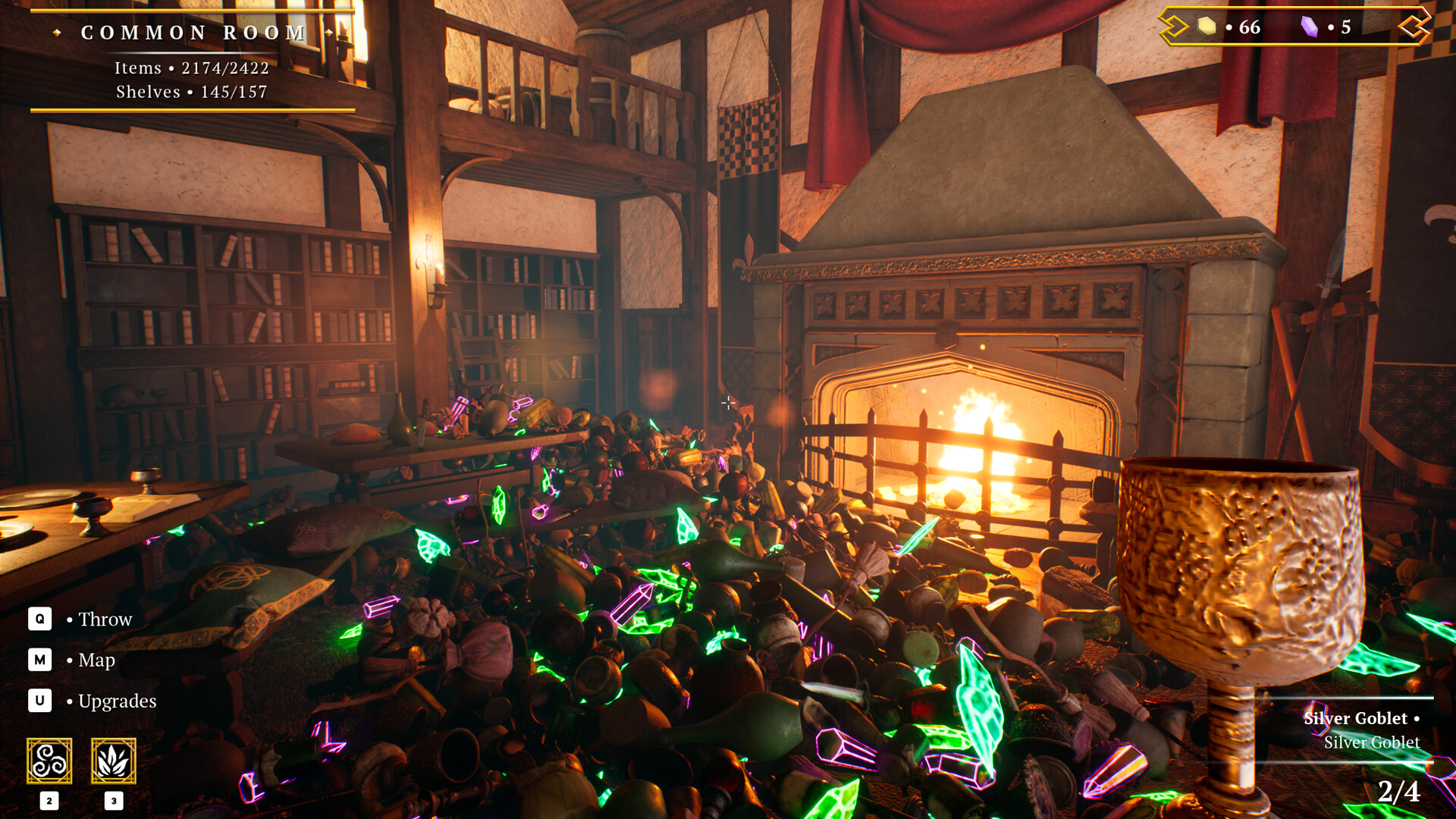
How to Remove Clutter and Collect Scattered Objects
Removing clutter is one of the most important stages of cleaning the witch's cabin. Scattered objects can make the room look disorganized and may prevent you from reaching surfaces that need attention. Begin with obvious rubbish, loose materials, and objects that do not belong in their current positions. Clearing these items creates more space and makes it easier to identify the remaining dirt.
Work through one small section at a time rather than collecting objects from every corner simultaneously. For example, you might begin near the entrance, continue along one wall, and then move toward the central furniture. This approach creates a consistent path and reduces the chance of forgetting items behind chairs, tables, or storage containers.
Sort Objects Before Moving Them
Not every scattered object should be treated as rubbish. Some items may be important ingredients, tools, decorations, or household objects that need to be returned to their proper locations. Before discarding anything, examine its appearance and consider the game's objectives. If the game distinguishes between rubbish and reusable objects, follow those categories carefully.
A practical sorting system includes three groups:
- Rubbish: Items clearly intended for disposal.
- Reusable objects: Tools, ingredients, containers, and household supplies that should be stored.
- Decorations: Furniture and decorative objects that should remain in the cabin but may need repositioning.
Sorting objects prevents unnecessary mistakes and makes organization easier later. It also helps you understand how the cabin is intended to function, especially when objects are associated with particular work areas.
Clear the Floor First
The floor is a useful place to begin because clutter there can obstruct movement and hide smaller items. Collect visible rubbish, move misplaced objects, and inspect the spaces around furniture legs and corners. Once the floor is relatively clear, you can examine the remaining surfaces more easily.
Do not overlook objects beneath tables, beside shelves, or near doorways. Small items may blend into the surrounding environment, especially when the cabin uses dark wood, earthy colors, or decorative patterns. If the game allows the camera to move or zoom, use that feature to inspect difficult areas.
How to Clean Dust, Stains, and Dirty Surfaces
After removing the most obvious clutter, concentrate on cleaning the surfaces throughout the cabin. Dust, stains, spills, and other visible marks can make an otherwise organized room look unfinished. Cleaning these areas after collecting loose objects is often more efficient because you will not need to move the same items repeatedly.
Begin with accessible surfaces such as tables, counters, shelves, and other furniture. Apply the appropriate tool to each dirty area and observe the result. If a surface remains marked, check whether the game requires multiple passes or a different tool. Some cleaning interactions are immediate, while others may involve a short animation or a gradual visual change.
Follow a Consistent Cleaning Pattern
A top-to-bottom pattern is a useful general strategy. Start with higher surfaces and shelves, then work toward tables and counters before finishing with the floor. This order helps prevent you from overlooking dirt in less visible places and reduces the need to revisit areas unnecessarily.
The pattern can be adapted to the actual room layout. For example, if a workbench contains scattered ingredients, organize those objects before wiping the surrounding surface. If a dirty patch is hidden behind a movable chair, reposition the chair first, clean the exposed area, and then return the chair to its proper place.
Check Surfaces from Different Angles
Visual perspective can make dirt difficult to notice. A stain may blend into the texture of a wooden table, while small debris can disappear against a patterned floor. Move the cursor slowly over suspicious areas and look for changes in color, highlights, or interaction prompts.
If the game uses a completion indicator for individual surfaces, check it after cleaning. A surface that appears mostly clean may still have a small unfinished section. Complete these remaining details before moving on to the next major area.
How to Organize Magical Ingredients and Witchcraft Equipment
The witch's cabin differs from an ordinary house because its theme may include potions, ingredients, unusual containers, spell-related objects, and mysterious decorations. These objects should be handled carefully during cleanup because their purpose may not be immediately obvious. Treat them as potentially useful items until the game clearly identifies them as rubbish or instructs you to remove them.
Start by identifying the objects that belong together. Containers may be associated with ingredients, while books and other equipment may belong on shelves or work surfaces. If the game provides designated storage locations, use them rather than placing objects randomly. Grouping similar items makes the room look more organized and helps preserve the intended arrangement of the witch's workspace.
Separate Ingredients from General Clutter
A messy magical workbench may contain several different object types. Some may be supplies that need to be stored, others may be tools required for future interactions, and some may simply be part of the decoration. Move one category at a time so that you can recognize what remains.
For example, you might organize containers together, place books in a suitable storage area, and return loose equipment to the workbench. Avoid discarding unusual objects merely because they look strange. In a themed game, unusual appearance is often part of the environment rather than evidence that an object should be removed.
Keep the Work Area Functional
An organized workbench should provide enough space for the objects that belong there without appearing overcrowded. If the game allows free placement, arrange items so they do not overlap unnecessarily. If it uses predefined positions, follow the available placement cues.
Pay attention to any objective involving specific objects. A task may require collecting an item, returning it to a designated place, or interacting with it before the surrounding area can be marked complete. Finish these object-specific actions before assuming that the entire workbench has been cleaned.
How to Clean and Rearrange Furniture in the Cabin
Furniture plays an important role in the overall appearance and accessibility of the cabin. Chairs, tables, cabinets, beds, shelves, and decorative stands can collect clutter around their bases or obscure nearby surfaces. Once loose rubbish has been removed, inspect each piece of furniture and determine whether it needs cleaning, repositioning, or both.
Begin with furniture that blocks access to other areas. Move an object only when necessary and note its original position so you can return it afterward. This is especially useful when the cabin contains several similar pieces or when the game expects furniture to remain in specific locations. Avoid making large layout changes before completing the basic cleanup.
Restore a Logical Room Layout
Think about how each piece of furniture would be used in a functioning cabin. Chairs generally belong near places to sit, storage furniture should remain accessible, and work surfaces should have enough open space for their intended purpose. Decorative objects should complement the room without obstructing movement.
If the game includes placement markers, outlines, or snapping positions, use them to align furniture accurately. These features may indicate the intended location even when the room initially looks crowded. If there are no placement guides, use the surrounding furniture and available floor space to determine a reasonable arrangement.
Inspect Hidden Areas Behind Furniture
Moving furniture can reveal dirt or objects that were previously hidden. After repositioning a chair or cabinet, check the exposed floor and any nearby wall or surface. Clean the newly accessible area before restoring the furniture to its final position.
A common mistake is to move an object, clean the obvious mess, and immediately move on without inspecting the space it covered. This can leave small patches of dirt behind and make the final inspection more difficult. Complete the entire area before considering the furniture task finished.
How to Clean the Kitchen and Other Specialized Areas
If the version of Witch Cabin Cleanup includes a kitchen or potion-preparation area, treat it as a separate cleaning zone. These areas may contain containers, utensils, ingredients, spills, or scattered supplies. Begin by removing obvious rubbish and organizing reusable objects. Once the work surfaces are accessible, clean any visible marks and check the surrounding floor.
A specialized area often requires more attention to object placement than an ordinary room. Ingredients may need to remain near the workbench, while general household items may belong in cabinets or other storage spaces. Follow any visible task instructions rather than assuming that every object should be placed in the same container or on the same shelf.
Divide the Cabin into Smaller Zones
A zone-based method is helpful when the cabin has several rooms or distinct work areas. Instead of repeatedly moving between unrelated tasks, complete one zone before starting another. You might organize the kitchen first, then clean the sleeping area, followed by the main living space and any remaining storage corners.
Use the following sequence where it matches the game's layout:
- Remove rubbish and loose clutter.
- Sort objects that must be stored or returned.
- Clean exposed counters, shelves, and furniture.
- Inspect the floor and corners.
- Restore objects and furniture to their intended positions.
- Confirm that the area's objectives are complete.
This sequence is flexible rather than mandatory. If the game requires an object to be moved before a surface can be cleaned, perform that action first. The main principle is to finish each area methodically instead of switching between several incomplete sections.
Pay Attention to Difficult Corners
Corners and narrow spaces are easy to overlook because they occupy less visual space than the center of a room. Check the edges of cabinets, areas near doorframes, spaces beside storage furniture, and locations where multiple objects overlap.
If a zone appears complete but its task indicator remains unfinished, return to these less visible locations. A single misplaced item or small patch of dirt may be responsible for the missing progress.
How to Handle Difficult Tasks and Hidden Mess
Some cleanup tasks can be more difficult than others because objects overlap, dirt blends into the background, or an interaction does not work as expected. When this happens, avoid repeating the same action without checking the situation. Instead, determine whether the target is accessible, whether the correct tool is selected, and whether another task must be completed first.
Begin by moving nearby objects that block the target. Then reposition the cursor carefully and test the interaction again. If the game uses drag-and-drop controls, make sure you are moving the object toward a valid destination rather than simply releasing it in an arbitrary location. When an action requires several stages, complete them in the order indicated by the game's prompts.
Troubleshoot Unresponsive Objects
An object that does not respond may not be interactive, or it may require a different action. Check whether it changes appearance when selected or whether a prompt appears nearby. If the game includes a task list, compare the object with the remaining objectives to determine whether it is relevant to completion.
If you cannot interact with an item, move to another task temporarily. Completing surrounding cleanup work may reveal a better angle or remove an obstruction. Return to the object later rather than wasting time on an interaction that may not be available at the current stage.
Use Progress Feedback to Find Missing Tasks
Progress indicators can help narrow down unfinished work. If the game shows a partially completed room, focus on that room rather than inspecting the entire cabin again. If it lists a specific objective, such as collecting objects or cleaning a surface, prioritize the corresponding action.
When there is no visible progress indicator, compare the room against your original checklist. Look for remaining rubbish, unclean surfaces, misplaced equipment, and furniture that has not been restored. A systematic review is usually more effective than random clicking.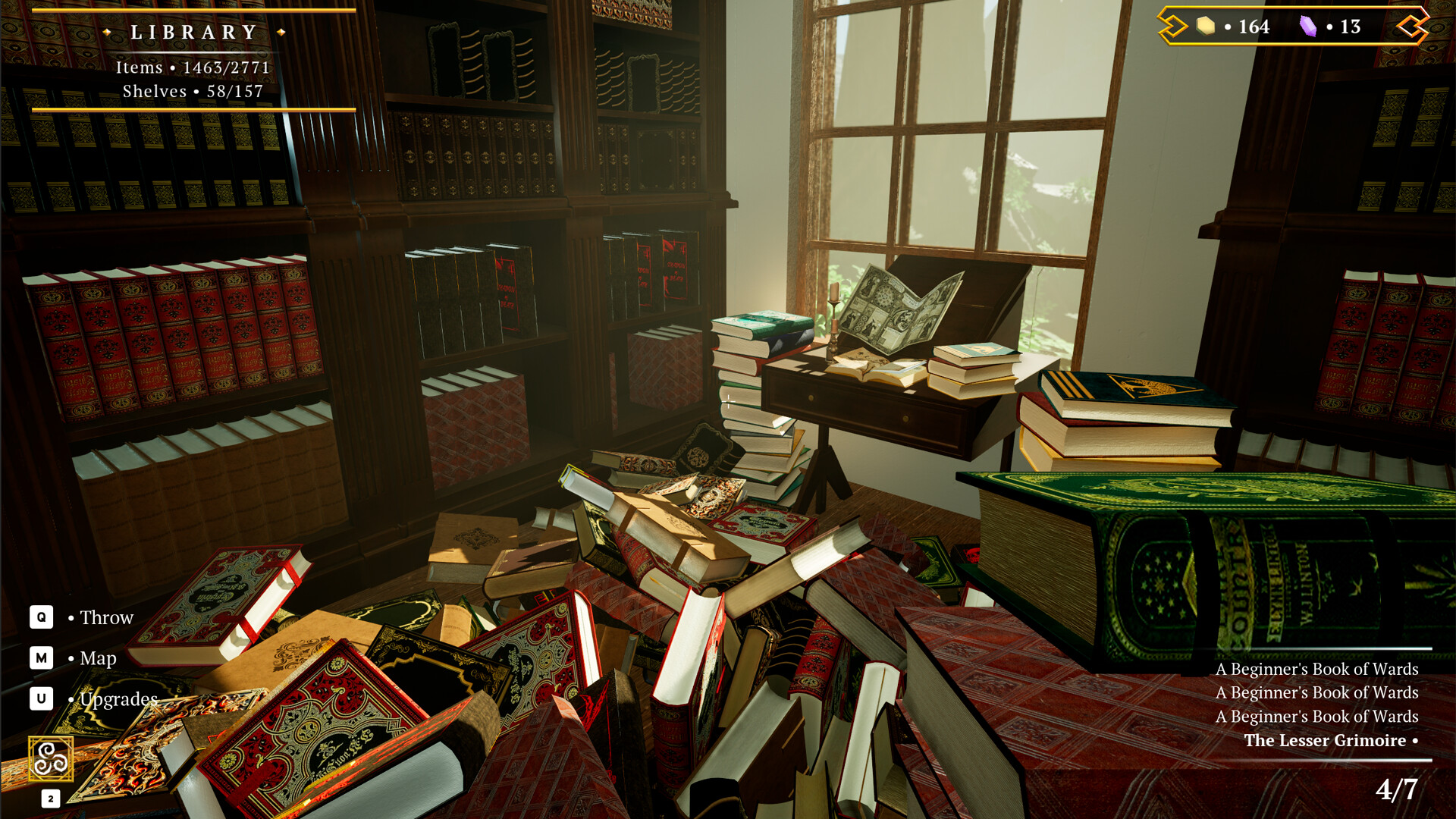
How to Finish the Cleanup Efficiently Without Missing Details
Once the major cleaning tasks are complete, switch from broad cleanup to detailed inspection. At this stage, the cabin should already look noticeably better, so your attention can focus on small remaining issues. Check the floor near walls, the tops of shelves, the spaces around furniture, and any specialized work areas that contain several objects.
Use a final checklist to review the cabin from one end to the other. Verify that rubbish has been removed, reusable items have been stored, dirty surfaces have been cleaned, and movable furniture has been returned to an appropriate position. If the game tracks individual tasks, make sure every required objective has been registered as complete.
Avoid Repeating Completed Work
Repeatedly cleaning an area that is already finished wastes time and can make the process feel more complicated than necessary. After confirming that a surface or room is complete, move on unless later actions have created a new mess or exposed a previously hidden area.
It is also useful to distinguish between mandatory objectives and optional decoration. A room may look more attractive if you adjust every object, but not every decorative change will necessarily contribute to the completion score. Prioritize the game's stated requirements before spending time on cosmetic adjustments.
Confirm the Final State
Before ending the session, take one last look at the whole cabin. Compare the final arrangement with the objectives displayed by the game and check whether any highlighted task remains. If the game offers a completion message, score, or next-stage prompt, use that feedback to confirm that the cleanup has been accepted.
If the game does not clearly announce completion, revisit the most cluttered areas and inspect the small spaces that were easy to overlook. A final pass should be brief because the main work has already been completed. The purpose is to catch mistakes, not to restart the entire process.
How to Improve Your Witch Cabin Cleanup Strategy for Future Sessions
The best way to improve at Witch Cabin Cleanup is to develop a repeatable routine. Once you understand the controls and the cabin's layout, you can spend less time deciding what to do next and more time completing tasks. Begin with an inspection, remove loose clutter, sort important objects, clean surfaces, restore furniture, and finish with a detailed review.
As you gain experience, pay attention to which actions create the most unnecessary movement. If you repeatedly move the same object, change your order of operations so that it is moved only once whenever possible. If certain corners regularly contain overlooked dirt, add them to your standard inspection checklist. Small adjustments to your routine can make each session more efficient.
Build a Reliable Cleanup Checklist
A practical checklist for future sessions is:
- Inspect the entire cabin before beginning.
- Learn the available controls and tools.
- Collect rubbish and clear the floor.
- Sort reusable items and magical supplies.
- Clean shelves, tables, counters, and other surfaces.
- Move furniture only when necessary.
- Inspect the areas hidden behind objects.
- Restore the room's organization.
- Review all remaining objectives.
- Confirm completion before leaving the area.
This checklist works because it separates different types of work into manageable stages. It also reduces the mental effort required to remember every detail while playing. You can adapt the order whenever the game's objectives demand a different sequence.
Focus on Consistency Rather Than Speed Alone
Cleaning quickly is useful, but speed should not come at the expense of accuracy. Random movements may appear faster initially, yet they often lead to repeated actions, forgotten objects, and unfinished surfaces. A consistent route helps you work efficiently without overlooking details.
Remember that the exact tasks and controls may vary by version. Use the instructions provided within your game whenever they differ from this general strategy. The objective is not to follow a rigid sequence at all costs, but to apply a sensible method that fits the available tools, room layout, and cleanup requirements.
Learning how to clean up the cabin in Witch Cabin Cleanup becomes much easier when the process is divided into clear stages. Begin by inspecting the environment and understanding the objectives, then learn the controls and identify the tools available. Remove rubbish and loose clutter before cleaning surfaces, and organize reusable objects separately from items intended for disposal. Give special attention to magical ingredients and equipment, since unusual objects may still be important to the cabin's layout or objectives.
After the main cleanup, inspect furniture, specialized work areas, corners, and spaces that were previously hidden. Use progress indicators and task lists to identify anything that remains unfinished. Avoid repeatedly cleaning areas that are already complete, and reserve the final stage for checking small details and confirming that every required objective has been satisfied.
The most effective approach combines organization, careful observation, and consistent movement. By working through one area at a time and checking each stage before moving forward, you can make the cabin cleaner without wasting effort. Whether you are a new player learning the controls or an experienced player trying to improve your routine, a structured cleanup method will help you approach Witch Cabin Cleanup with greater confidence and enjoy the satisfaction of restoring the mysterious cabin to order.